The radio control link between your transmitter and your quadcopter is the single most critical bridge in FPV flight. Over recent years, open-source RC link systems—particularly ExpressLRS (ELRS)—have become the industry benchmark for ultra-low latency, robust packet refresh rates, and long-range signal penetration. Selecting the right receiver depends on your operating frequency, frame size, weight constraints, and specific flying discipline.
Understanding Modern FPV Control Links: 2.4GHz vs. 915MHz
When selecting an RC link receiver, the primary design choice revolves around the operating frequency band:
- 2.4GHz ELRS: The standard for freestyle, racing, and park flying. It provides high packet refresh rates (up to 500Hz–1000Hz), compact ceramic or small dipole antennas, and low latency while still offering ample range for several kilometers in line of sight.
- 915MHz (Sub-GHz) ELRS: Tailored specifically for long-range cruising and mountain surfing. The lower frequency delivers superior signal diffraction around obstacles and trees, though it requires physically larger antennas on both the transmitter and the drone.
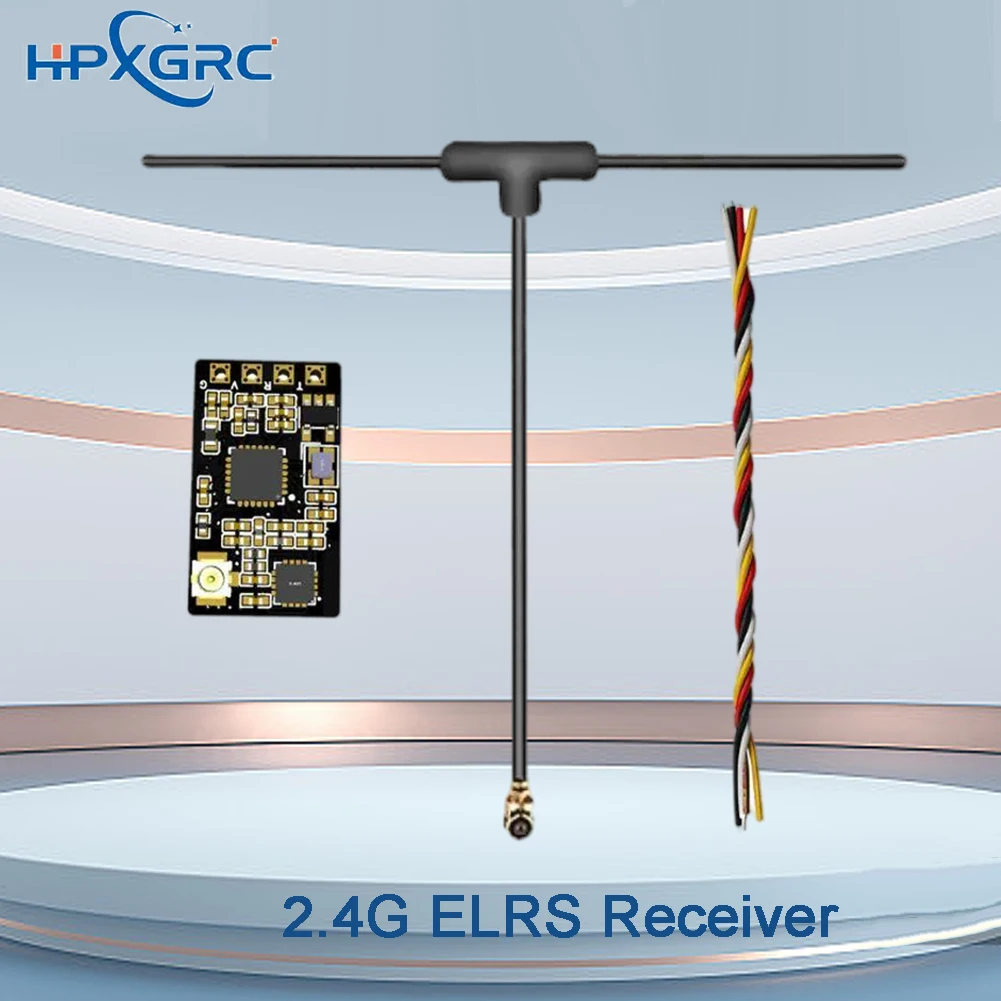
HPXGRC 2.4G ExpressLRS ELRS Receiver - for FPV Freestyle Long Range Drones Hi…
Detailed Overview of Verified Receivers and Integrated Systems
HPXGRC 2.4G ExpressLRS ELRS Receiver
For pilots seeking an accessible entry point into the ExpressLRS ecosystem, the HPXGRC 2.4G ELRS Receiver serves as an economical solution (reference price: $7.90; 96.9% rating across 1,782 reviews). It targets DIY quad builders working on high-speed signal links for both freestyle rigs and medium-range exploration. Its compact footprint makes it easy to solder into standard flight controllers where space is tight, delivering high refresh rates without adding excess weight.
HAPPYMODEL ES900RX ELRS Receiver 915MHz
Designed for pilots prioritizing range and obstacle penetration, the HAPPYMODEL ES900RX operates on the 915MHz band and ships with V3.2.0 firmware compatibility (reference price: $12.83; 98% rating across 754 reviews). Operating on the sub-GHz frequency band allows this receiver to handle long-distance flights and tough RF environments where 2.4GHz signals might suffer from shadowing or vegetation absorption. It is ideal for mid-to-long-range platforms where antenna size is manageable.
SpeedyBee Nano 2.4G ExpressLRS ELRS Receiver
The SpeedyBee Nano 2.4G ELRS Receiver (reference price: $11.39; 98% rating across 645 reviews) is built for pilots who want a lightweight, durable nano-sized receiver for freestyle or lightweight long-range builds. Its compact nano form factor fits neatly under tight top plates on 3-inch to 5-inch freestyle drones, while retaining full compatibility with 2.4GHz ExpressLRS transmitter modules.
BETAFPV NANO 2400 RX (2.4GHz Nano ExpressLRS)
The BETAFPV NANO 2400 RX (reference price: $12.76; 95.8% rating across 642 reviews) is an established option for racing drones, long-range quads, and fixed-wing RC airplanes. Offering a compact nano footprint, this 2.4GHz receiver is engineered for high update rates and low latency, making it a reliable match for agile multirotors and lightweight aircraft needing consistent link margins.
Happymodel Mobula8 1-2S Micro FPV Whoop Kit (with 2.4G ELRS Receiver)
Rather than a standalone receiver board, the Happymodel Mobula8 (reference price: $8.77; 98.5% rating across 593 reviews) represents an integrated solution. Built on an 85mm micro frame with an X12 AIO (All-in-One) brushless flight board, it includes an integrated 2.4G ELRS receiver directly on the flight controller. This configuration is tailored for pilots who prefer micro whoop indoor/outdoor flying without the hassle of discrete receiver wiring, external antennas, or complex frame layout planning.
Receiver Selection Guide
| Model | Frequency | Form Factor / Type | Primary Use Case | Reference Price |
|---|---|---|---|---|
| HPXGRC 2.4G ELRS | 2.4GHz | Micro Standalone RX | Budget DIY freestyle and high-speed builds | $7.90 |
| HAPPYMODEL ES900RX (V3.2.0) | 915MHz | Sub-GHz Long-Range RX | Long-range cruising and heavy obstacle penetration | $12.83 |
| SpeedyBee Nano 2.4G | 2.4GHz | Nano Standalone RX | Compact freestyle and DIY racing drones | $11.39 |
| BETAFPV NANO 2400 RX | 2.4GHz | Nano Standalone RX | Racing quads, freestyle, and fixed-wing aircraft | $12.76 |
| Happymodel Mobula8 (X12 AIO) | 2.4GHz | Integrated AIO Flight Controller | 1-2S 85mm micro whoop flying | $8.77 |
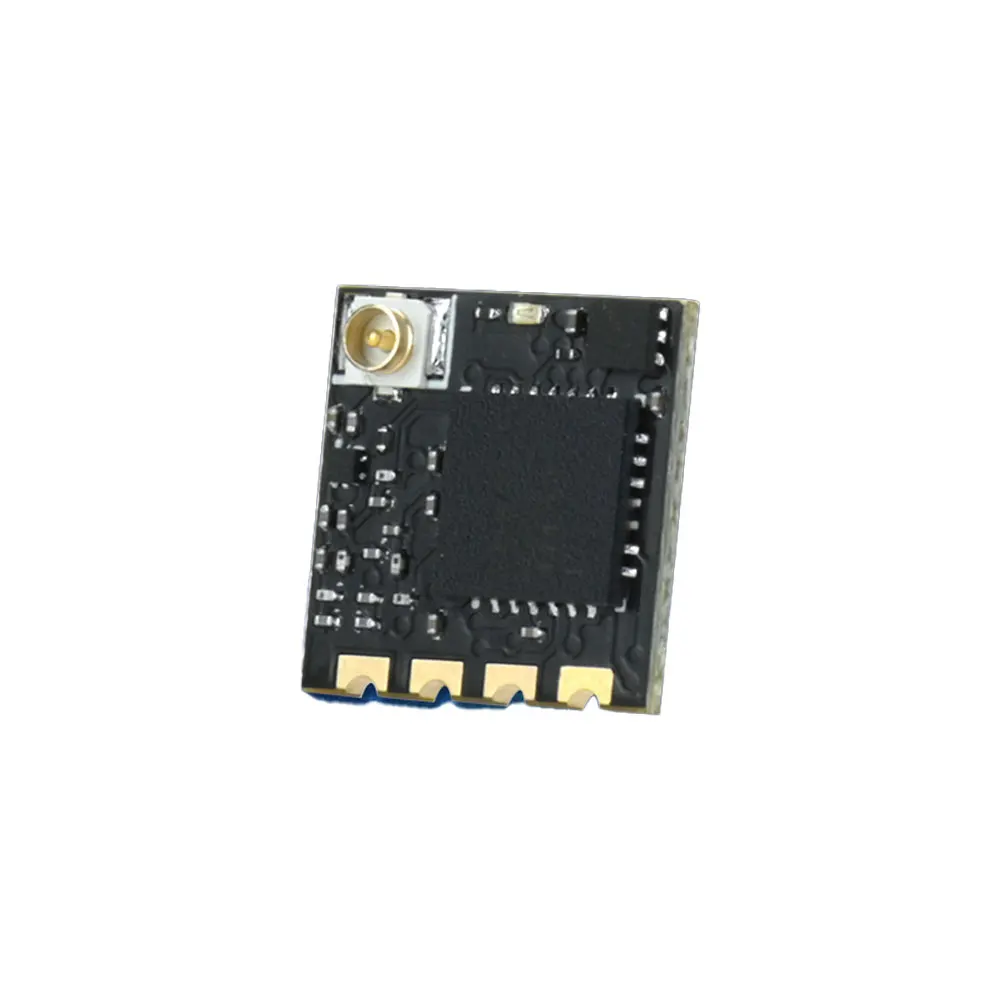
HAPPYMODEL ES900RX ELRS Receiver 915MHz For FPV Drone V3.2.0 Version
How to Match Transmitters and Receivers
When selecting your gear, keep the following hardware rules in mind:
- Frequency Matching: Your radio transmitter (or external transmitter module) must match the receiver's frequency. A 2.4GHz transmitter cannot communicate with a 915MHz receiver like the ES900RX.
- Firmware Major Version Compatibility: ExpressLRS requires that your transmitter module and receiver share the same major firmware generation (e.g., V3.x on both TX and RX) to bind and function correctly.
- Weight and Frame Constraints: Micro whoops benefit significantly from integrated AIO receiver boards like the Mobula8 setup, whereas 5-inch freestyle or 7-inch long-range builds have room for standalone nano receivers with dedicated T-style dipole antennas.
Featured Products on AliExpress
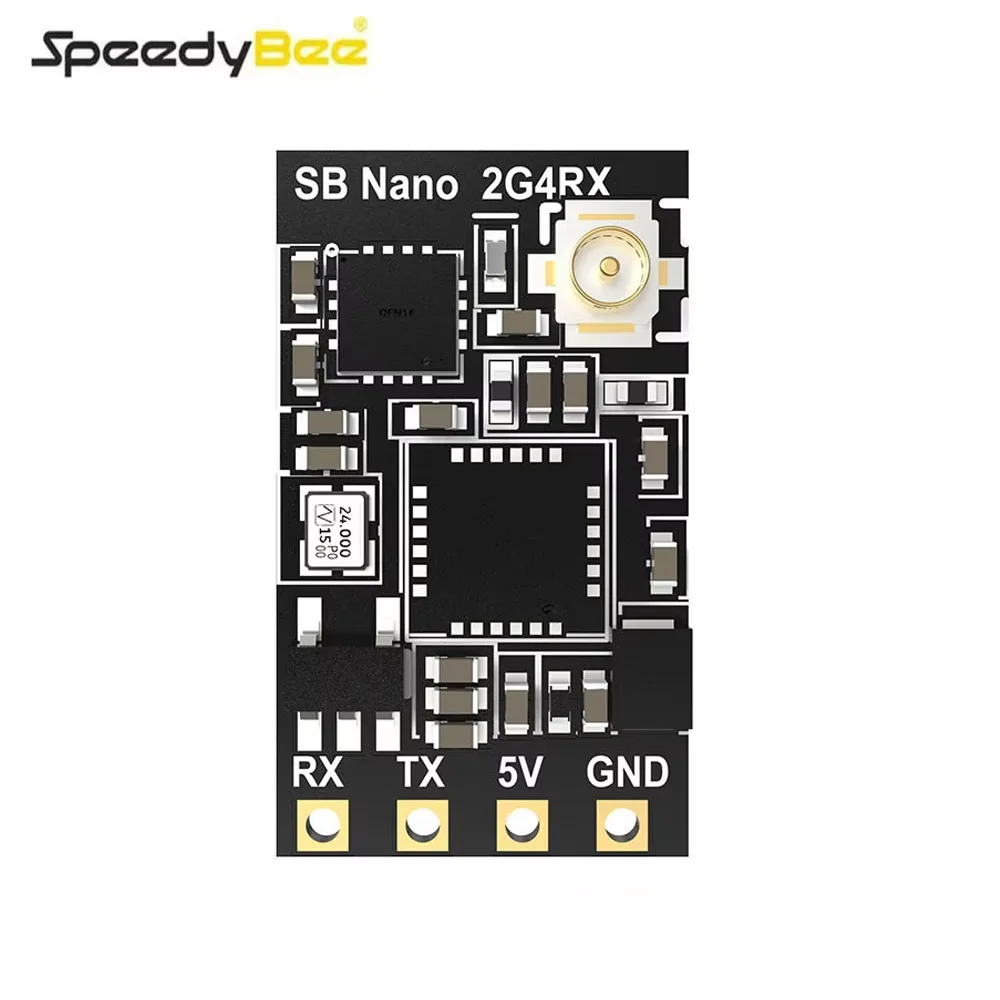
1PCS/2PCS SpeedyBee Nano 2.4G ExpressLRS ELRS Receiver for FPV Freestyle Long…

Happymodel Mobula8 Drone/Frame KIT 1-2S 85mm Micro FPV Whoop Quadcopter Drone…

ELRS 2.4GHz NANO ExpressLRS Long Range ELRS Receiver BETAFPV NANO 2400 RX For…
Related Articles
We frame recommendations around who each option suits, not universal winner claims.
Product Review
Guide to RC Radio Controllers, Receivers, and Essential Flight Gear
Selecting the right radio control system is a fundamental decision for any remote-control enthusiast, whether operating multirotors, surface models, or custom r…
Product Review
Guide to ELRS Radio Transmitters and Control Hardware
ExpressLRS (ELRS) has rapidly become one of the most widely adopted open-source radio control protocols in the RC and FPV drone community. Known for its high re…
Product Review
Budget Radio Controllers and RC Control Hardware Guide
Building or maintaining an RC aircraft, ground vehicle, or basic FPV platform requires a dependable control link. While high-end radio systems can easily exceed…